
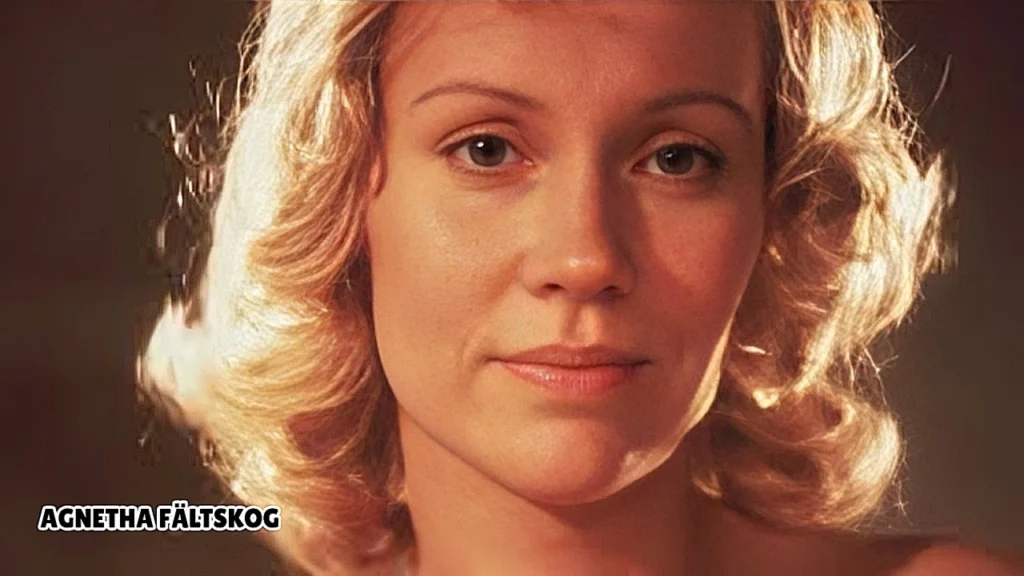
Agnetha Führskog’s lasting impact as one of the most identifiable voices in pop music history is reflected in the recent resurgence of interest in her. She is still honored in documentaries, retrospectives, and continued fan love worldwide as a pivotal part of the iconic band ABBA.
As one of ABBA’s main vocalists, Agnetha Fěskog became well-known around the world in the 1970s. She contributed to several worldwide singles, including as “Dancing Queen,” “Mamma Mia,” and “The Winner Takes It All.” Her distinctive, expressive vocal became a key component of the band’s sound, contributing to ABBA’s enormous economic success and enduring cultural impact.
In addition to her work with ABBA, Fæskog released albums in both Swedish and English as part of her solo career. Her solo work showcased her versatility as an artist by fusing pop with melodic and more reflective themes. Even if she occasionally withdrew from the spotlight, audiences of all ages have continued to find resonance in her songs.
All things considered, Agnetha Fěskog continues to be a legendary figure in popular culture across the world. Her place in music history has been cemented by her solo endeavors and contributions to ABBA. Her voice and creative legacy continue to inspire and impact fans and musicians throughout the world, even decades after she first became well-known.
