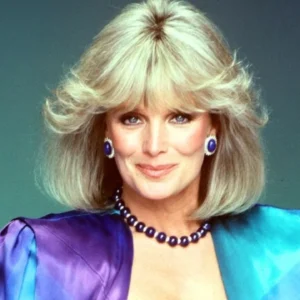
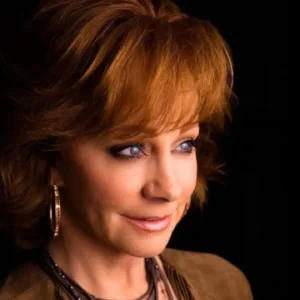
The most well-known role of Agnetha Fěskog is as a lead vocalist for the iconic pop group ABBA. During the 1970s and 1980s, ABBA gained international recognition thanks to her beautiful voice, poignant performance, and stage presence. Fěskog is still regarded as one of pop music’s most recognizable voices because of her contributions to the group’s performance and songwriting, which were crucial to its long-term popularity.
Fěskog had already made a name for herself as a gifted solo musician in Sweden prior to joining ABBA. She demonstrated her early talent for creating catchy tunes and poignant lyrics by writing and recording a number of songs in her mother tongue. She gained fame in the Scandinavian music industry for her solo work, which demonstrated both her vocal range and her songwriting prowess.
Some of ABBA’s most well-known successes, including as “Dancing Queen,” “The Winner Takes It All,” and “Mamma Mia,” included Fěskog’s vocals. Her voice helped ABBA connect with listeners all around the world by adding warmth and emotion to several of the band’s songs. Her influence on pop music persisted even after the trio broke up, motivating many singers and songwriters.
With albums that explore themes of love, nostalgia, and introspection, Fěskog’s solo career has demonstrated her maturity as a performer. She is honored today not just for her tenure with ABBA but also for her enduring influence as a singer, composer, and cultural icon. She is recognized for both her skill and her enduring influence in the annals of music.