
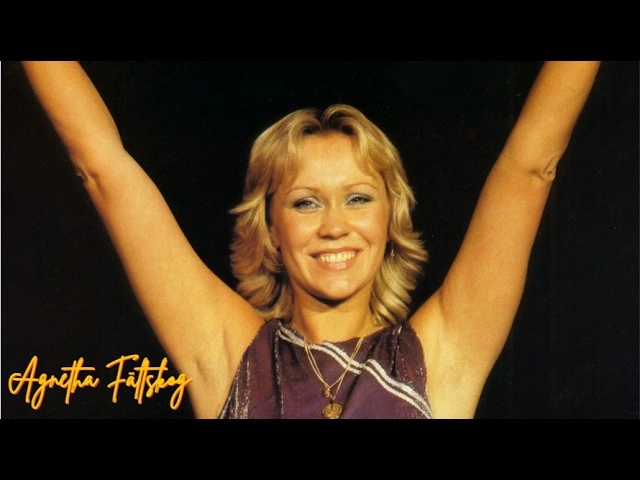
Swedish singer-songwriter Agnetha Fěskog is most recognized for being one of the lead vocalists of the legendary musical group ABBA. She was born in Jönköping, Sweden, and shown musical ability at an early age. As a teenager, she started penning and singing her own songs. Before joining one of the most popular bands in the world, she gained national acclaim for her early solo work in Sweden.
As a member of ABBA with Björn Ulvaeus, Benny Andersson, and Anni-Frid Lyngstad, Fjörskog became well-known around the world in the 1970s. After winning the 1974 Eurovision Song Contest with “Waterloo,” the group became well-known around the world. ABBA became one of the best-selling bands in history after releasing a number of international successes, including “Dancing Queen,” “Mamma Mia,” and “The Winner Takes It All.” The group’s sound grew heavily reliant on Fěskog’s unique voice.
She began a solo career and released many albums in both Swedish and English following ABBA’s original dissolution in the early 1980s. She continued to record music and periodically came back into the spotlight for special projects and collaborations, but her public visibility remained lower than that of her ABBA days. Her solo career showcased her emotive singing technique and ongoing artistic flexibility.
Fěskog has mostly kept to himself in recent years, but ABBA-related endeavors, like as the group’s reunion record *Voyage*, have brought him back into the spotlight. She is still regarded as one of the most important voices in pop music history, and both her solo career and her contribution to ABBA’s long-lasting popularity throughout the world have shaped her legacy.
