
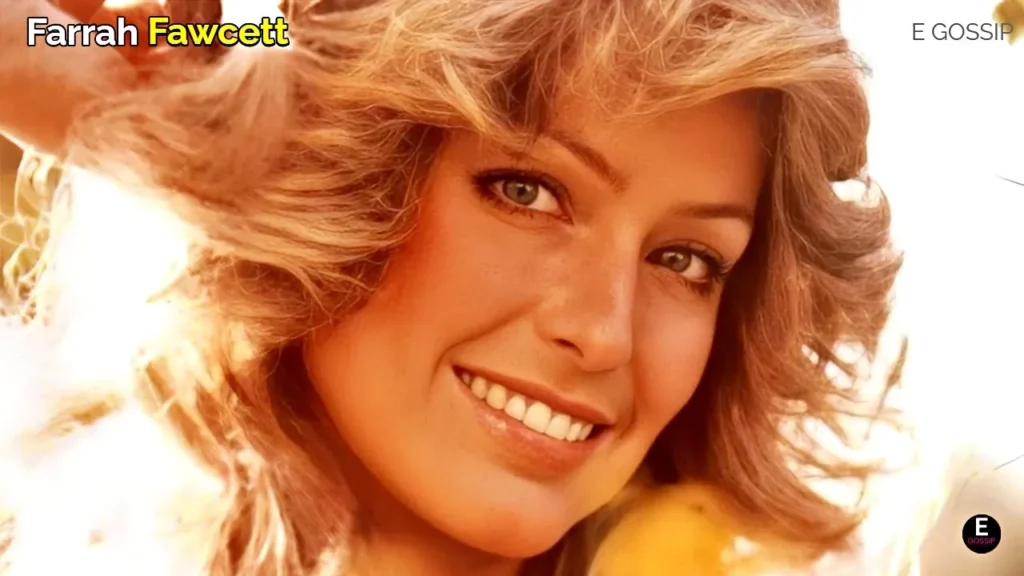
Headlines like “Farrah Fawcett Goes Bare—Pictures Don’t Lie!” are a reminder of how celebrity culture has long relied on shock and suggestion to capture attention. During the height of her fame, Fawcett was not only a beloved actress but also a visual symbol crafted and exploited by an industry eager to blur the line between admiration and intrusion.
The promise that “pictures don’t lie” reflects a misleading certainty often used in tabloid journalism. Images are presented as truth, stripped of context and intention, while audiences are encouraged to draw conclusions based on spectacle alone. This framing reduces complex individuals to frozen moments designed to provoke reaction rather than understanding.
Fawcett’s career, however, extended far beyond surface-level imagery. She took creative risks, fought to be taken seriously as an actress, and later earned critical acclaim for demanding dramatic roles. These achievements are frequently overshadowed when coverage prioritizes exposure over accomplishment.
Looking back, such headlines reveal more about the era’s media values than about the woman herself. As conversations around consent, privacy, and representation continue to evolve, revisiting these moments invites a reassessment of how fame is packaged—and who ultimately pays the price for its consumption.
