Even now, decades after her ascent to stardom, Farrah Fawcett is still regarded as one of the most iconic personalities of 1970s pop culture. Fawcett, well-known for her part on Charlie’s Angels, came to represent the shifting views of the time on independence, beauty, and stardom. Although the public’s curiosity has been rekindled by the reemergence of her intimate photos, her influence on the contemporary notion of a female celebrity will stay the longest.
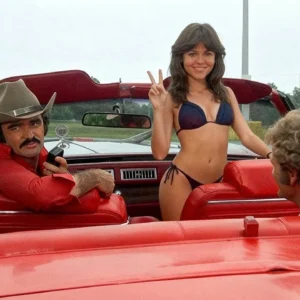
Fawcett’s image was ubiquitous during her prime, appearing on magazine covers and television screens, and she became a cultural icon for a generation. Even while some of the images that are still in circulation today were deemed contentious at the time, they also represented a more significant change in the entertainment sector. Fawcett’s self-assurance and prominence helped redefine what it meant to be a strong woman in the limelight during a time when women were increasingly taking charge of their own public identities.
Fawcett’s success was mostly due to her ability and perseverance, not just how she looked. She played a variety of parts in movies and TV shows before receiving praise from critics for her dramatic portrayals. Her standing as a professional performer rather than just a symbol was cemented by her commitment to develop as an artist rather than stay limited to a particular image.
In the end, the debate around these photos is more about the cultural moment they capture than it is about the pictures themselves. Because she contributed to the development of a new age of female empowerment in Hollywood, which still has an impact on the business today, Farrah Fawcett’s legacy persists.