
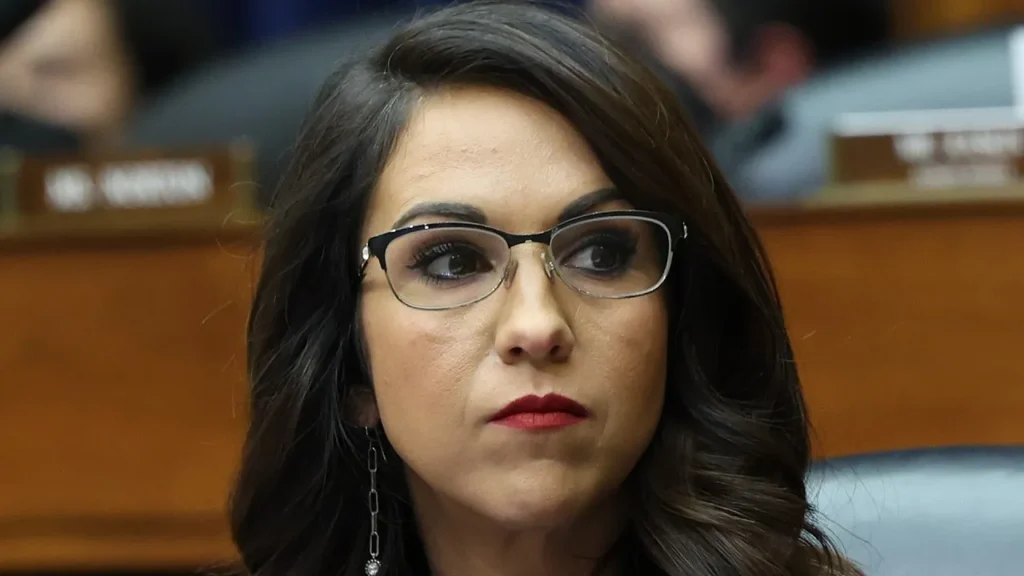
The outspoken congresswoman from Colorado, Lauren Boebert, is still a topic of discussion in both political and cultural circles. Boebert, 39, continues to be a divisive figure who strikes a balance between his legislative duties and his well-known public image. While detractors question her strategy and supporters applaud her candor, few contest that Lauren Boebert has emerged as one of the most identifiable figures in modern American politics.
Beyond news headlines, Lauren Boebert’s narrative exemplifies a contemporary fusion of grassroots politics and media awareness. She often utilizes social media to interact with voters and outline her goals, placing a strong emphasis on individual liberty, small business advocacy, and energy policy. Boebert is seen by many supporters as a representative of a new breed of politicians that actively connect with the public and shape stories in real time.
Though her name eventually represents a larger political brand, public personalities like Lauren Boebert frequently have their private moments magnified. Boebert exudes confidence and consistency whether he is speaking on the House floor or doing interviews. While watchers see how she handles criticism with a constant message and a clear presence, admirers emphasize her resilience.
As discussions about Lauren Boebert continue to develop, her influence is gauged by voter participation and policy stances in addition to viral occurrences. Boebert’s name holds weight in a congested media landscape, igniting discussion and debate across the country. Whatever one’s point of view, Lauren Boebert continues to play a significant role in today’s political narrative, serving as a reminder to viewers of the modern intersection between leadership and exposure.
