
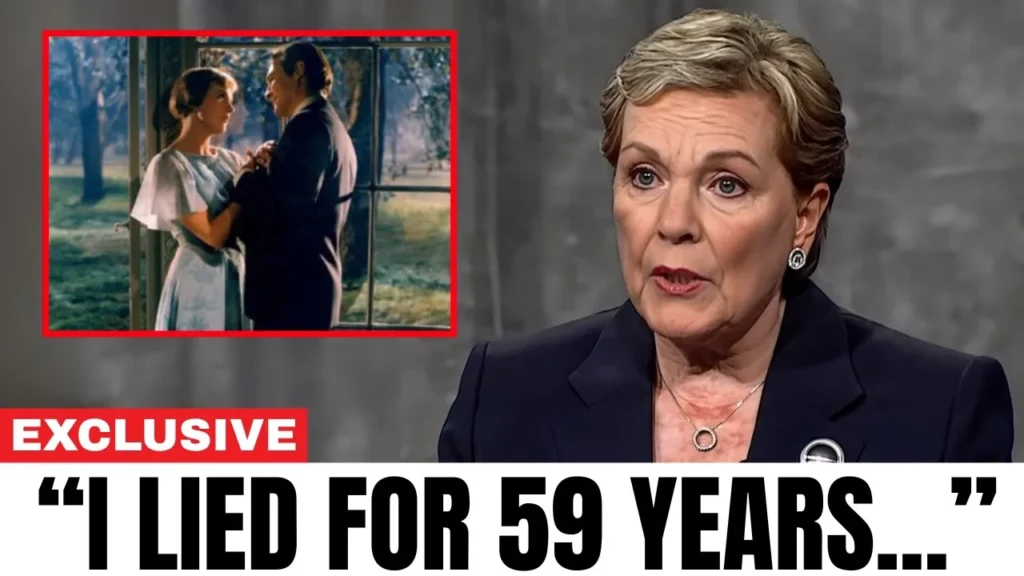
Warmth, song, and classic storytelling make The Sound of song one of the most revered movies in movie history. However, there is a lesser-known history of events and situations that were subtly changed, downplayed, or hardly mentioned behind its positive image. These allegedly “forbidden” components were not scandalous; rather, they were a reflection of artistic preferences influenced by studio choices, cultural sensitivities, and historical expectations.
To maintain the film’s family-friendly tone, a number of sequences and character details were meticulously changed throughout production. Some scenes that tended too much toward political gloom, sexual tension, or emotional intensity were toned down or softened. The filmmakers sought to maintain the story’s accessibility and optimism for a wide audience while yet reflecting the impending reality of wartime Europe.
The intentionality of these omissions is frequently overlooked. The film’s general appeal was enhanced rather than diminished by the modest approach. Viewers of all ages were able to connect without being distracted since the emphasis stayed on love, resiliency, and moral bravery. The decisions were a reflection of the studio structure of the era, which frequently valued suggestion and restraint above overt detail.
Reexamining these little addressed components now gives an already rich classic further nuance. They serve as a reminder to viewers that even the most innocent movies are influenced by creative judgment, cultural background, and meticulous editing. These unseen choices raise appreciation for The Sound of Music’s quality rather than lessen it. The picture has endured because of the careful preservation of its plot, which is ageless, optimistic, and shameful, rather than because of what was cut out.