
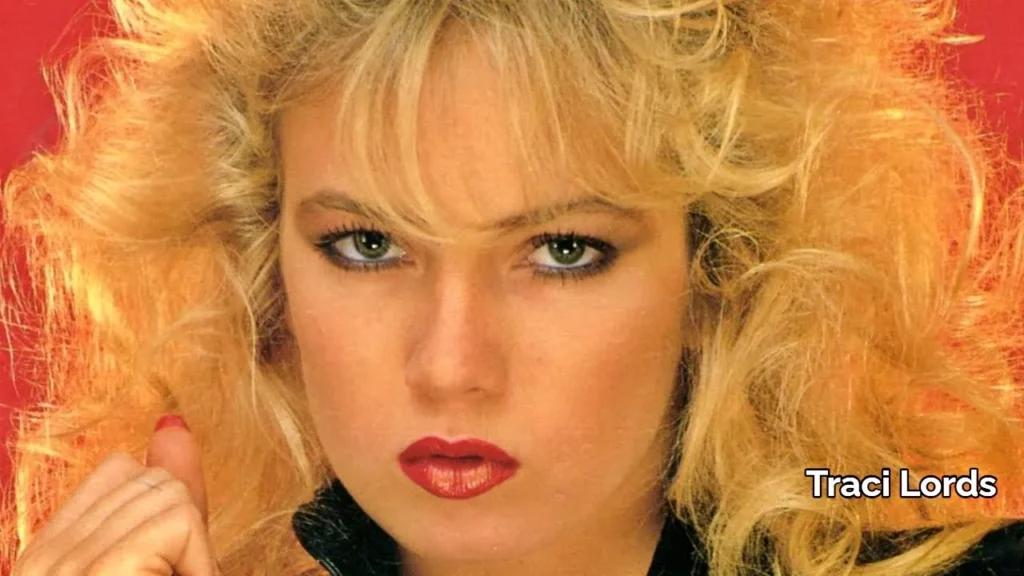
No headline can adequately convey the complexity of Traci Lords’ public life. She first gained notoriety in the 1980s and then remade herself as a respectable singer, writer, and actor, winning admiration for her will to put the early controversy behind her. A distinctive aspect of Lords’ legacy is the openness with which she has discussed regaining her identity and remaking her career on her own terms throughout the years.
Occasionally, images from various stages of her life resurface online, frequently accompanied by dramatic captions. Rather than being an attempt to offend, these images, when seen sensibly and without exaggeration, represent the visual culture of their time. Many artists engaged in the boldness-focused fashion, photography, and style trends of previous decades as part of a larger artistic movement.
Traci Lords’s tenacity is what really makes her stand out. She made a smooth transition into popular cinema and television, starring in shows including Roseanne, Melrose Place, and Cry-Baby. She pursued writing and music in addition to acting, demonstrating a strong desire to develop both emotionally and creatively. Her candor about her experiences has also sparked crucial discussions around consent, healing, and exploitation.
Traci Lords is not defined by a few solitary images when viewed in their entirety. They are little pieces of a much bigger narrative that has been molded by self-awareness, courage, and reinvention. She is now well known for her ability to move on, establish a reputable job, and take charge of her own story with honor and integrity rather than for her shock value.
