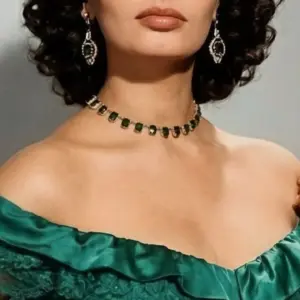
Millions of fans know Agnetha Fěskog as a crucial part of the iconic Swedish group ABBA, making her one of the most famous voices in pop music history. She rose to fame around the world in the 1970s because to her golden hair, unique singing, and elegant stage presence. Photographs from her time in the limelight still get attention decades later, reminding viewers of the glitz, glamor, and excitement that surrounded one of the most popular musical groups in the world. Her remarkable musical impact, however, goes much beyond her outward looks.
Fæskog, who was born in Jönköping, Sweden, on April 5, 1950, had a love for music at a young age and started writing songs as a youngster. She was already successful as a solo vocalist in Sweden before she joined ABBA. After joining the quartet with Björn Ulvaeus, Benny Andersson, and Anni-Frid Lyngstad, her career underwent a significant transformation. With iconic tunes like “Dancing Queen,” “Mamma Mia,” “The Winner Takes It All,” and “Take a Chance on Me,” ABBA went on to become well-known around the globe. Their elaborate performances and vibrant clothes came to define the time.
An essential component of ABBA’s visual identity was Fěskog’s style. The trio gained notoriety for their eye-catching performance costumes, dazzling materials, dramatic shapes, and flashy stage attire. The theatrical energy of 1970s pop culture, when fashion and music often collaborated to produce memorable shows, was mirrored in these unique styles. Fans are still sharing old photos of Fõskog, which provide a picture of the glitzy environment that surrounded the group. Her enduring appeal stems from the mix of her musical prowess, grace, and distinctive stage appearance, even if contemporary headlines may sensationalize celebrity pictures.
Following the conclusion of ABBA’s first run, Fěskog explored solo endeavors and progressively withdrew from the spotlight. Later, in 2013, she made a comeback with the album A, which served as a reminder of her vocal prowess. New generations have been exposed to ABBA’s music because to its ongoing success, which includes the group’s 2021 album Voyage. Agnetha Fěskog is still regarded today as a person whose impact spans decades. The tale of an artist whose voice contributed to the creation of some of pop music’s most memorable tunes is what draws people back to her photos and performances.